

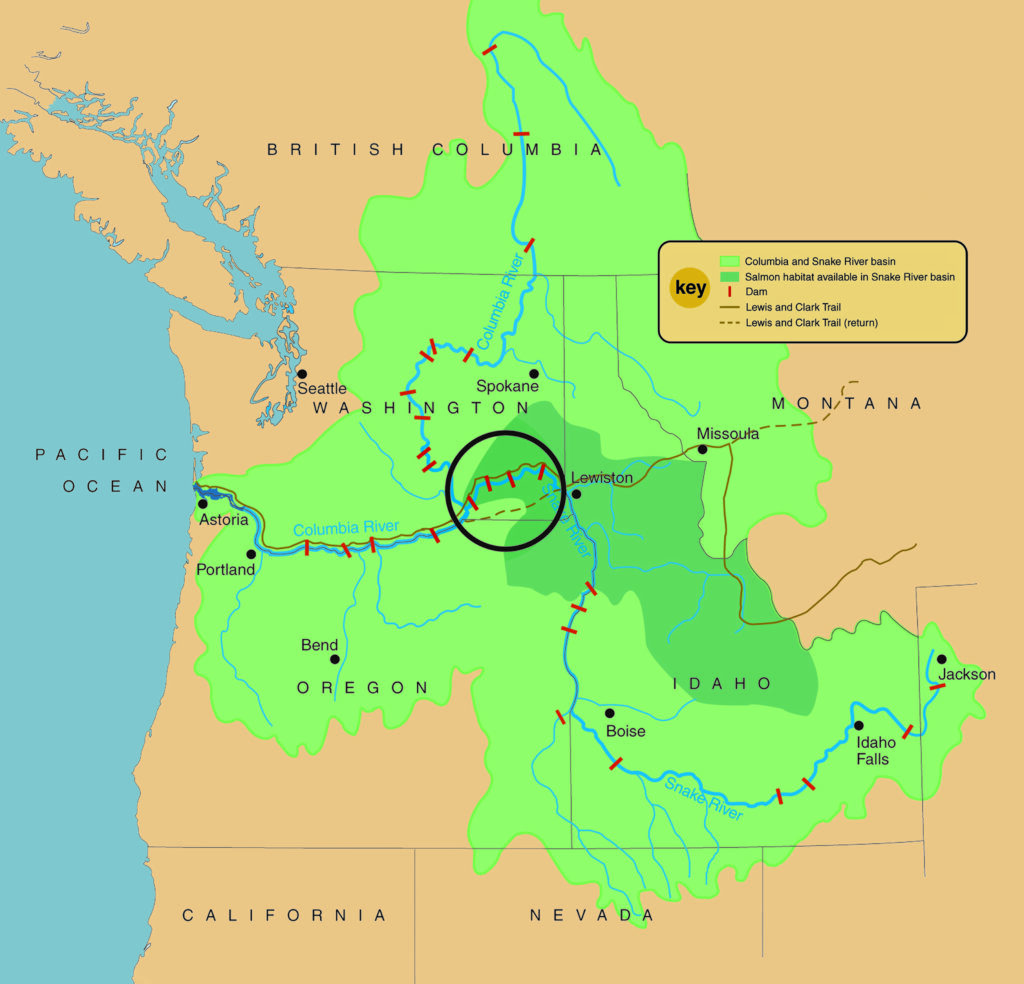
 In the Pacific Northwest, connection is not just a metaphor — it is an ecological, cultural, and political necessity. Rivers connect mountains to the ocean, forests to coastlines, and communities across thousands of miles. If water is the region’s circulatory system, salmon are its connective tissue. Their journey from the Pacific Ocean to the rivers and streams of Washington, Oregon, and Idaho links ecosystems, wildlife, cultures, and economies. The work on salmon recovery reflects that same truth: Nothing is accomplished alone.
That understanding is what led to the creation of Save Our Wild Salmon Coalition (SOS) in the early 1990s. At the time, salmon populations across the Columbia and Snake River Basin were in clear decline. Advocates working on varying efforts realized fish populations would continue to decline unless something fundamental changed not just in policy, but in how they worked together. SOS was born out of that recognition.
“Salmon connects all these different people and communities whether it’s conservation or economy or culture; and salmon are absolutely nonpartisan,” says Joseph Bogaard, executive director of SOS. “Everyone across the region appreciates and values salmon, and therein lies the opportunity: focusing on our common ground instead of our differences.”
Today, the coordinated work of SOS and its coalition partners means many organizations and leaders who may have historically worked in silos (or sometimes at odds) now frequently work together on behalf of the fish and their rivers. But the stakes extend far beyond the fish. Salmon are a keystone species, carrying ocean nutrients into freshwater ecosystems and sustaining more than a hundred species of wildlife, from bears and birds to forests themselves. (Did you know Southern Resident orca whales rely heavily on Chinook salmon as their primary food source? Without rebuilding salmon populations, the future of these whales is at risk.)
Salmon are also deeply woven into the cultures and identities of the Pacific Northwest. For local economies, the region’s many urban and rural cities and towns depend on salmon for food, recreation, and tourism. For Tribes, salmon have long held profound spiritual and cultural importance. This knowledge and the myriad relationships built and sustained by salmon that have existed since time immemorial have shaped the region’s understanding of why salmon matter and driven home the urgency of protecting them for the future.
“People have built lives, income, and family cultures around fishing and experiencing the river,” says Tanya Riordan, policy and advocacy director for SOS. “All across the basin, what you’ll hear from people is the deep connection to their history, their family, and what they want to pass on to future generations in terms of experiencing the river and salmon.”
This commitment to broad collaboration amongst diverse interests was evident during a recent, critical regional fish and wildlife planning process, when SOS and its partners mobilized thousands of grassroots supporters. “Thousands of salmon advocates submitted public comments and joined in-person hearings, combining unified advocacy with personal stories about the significance of salmon,” says Tanya.
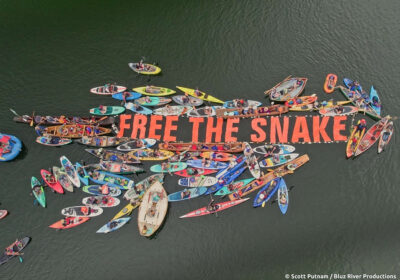 Collective action also proved essential during the 2026 federal appropriations process. When the Trump administration proposed eliminating key salmon recovery funding, the region’s Six Sovereigns led a coordinated effort to defend it, supported by many groups including SOS, through congressional outreach and advocacy in Washington, D.C. Ultimately, the people power and collective action that SOS champions helped secure funding levels similar to 2024. “This is what happens when the broader salmon community comes together over time — it pays off,” says Joseph.
That same coalition building is shifting the conversation at the state level. Over four years, SOS and other coalition partners have worked alongside Tribes to build momentum to remove the lower Snake River dams. Their organizing helped secure $8.5 million from the Washington State legislature to begin planning how to replace the dams’ services, an unprecedented step toward addressing one of the basin’s most complex salmon recovery challenges.
“Based on the political landscape we are in, we have to focus on building power in the region and continue our large-scale collective advocacy,” says Tanya. “New supporters, new volunteers, new stakeholder voices are important to ensure members of Congress and state leaders understand the strong regional support for restoring the lower Snake River and protecting our cherished salmon.”
Philanthropic partners like the Water Foundation also have a place in sustaining the long-term collective power that salmon recovery requires. “My experience with the Water Foundation has been one of cohesive partnership and trust,” says Joseph. “Their financial support is instrumental in building our capacity, power, and impact. Just as important are the relationships and strategic insight they bring to the table, along with a deep involvement and understanding of the nuance this work often requires.”
This commitment to partnership — emphasizing listening, trust, and shared problem-solving — reinforces relationship building at the foundation of SOS’ mission. “If we don’t work together, we will end up fighting over the last fish. We need to avoid that at all costs.”
In many ways, salmon recovery mirrors the migration of the fish themselves. It is a long journey that crosses boundaries and depends on countless connections along the way. Just as salmon link rivers, forests, oceans, and communities, the work to protect them relies on people coming together across differences. In the Pacific Northwest, connection and collaboration are not just strategies; they are the lifeblood of the region, and the key to ensuring salmon continue to return home for generations to come.